

Introduction
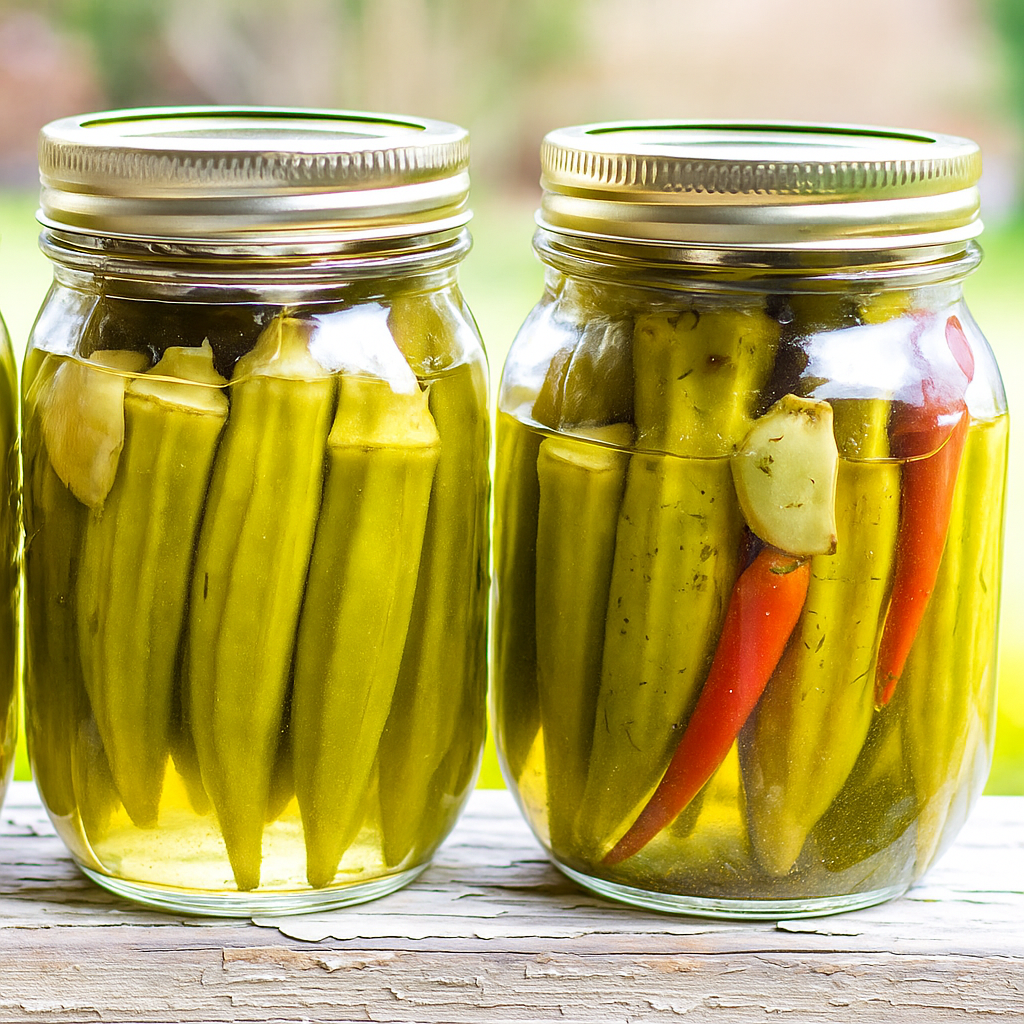
I first discovered my love for a pickled okra recipe when I plucked a jar from my grandmother’s fridge—crisp, tangy pods that unexpectedly stole the spotlight at our family cook‑out. I remember thinking, “Okra? Really?” But the crunch and bright vinegar flavor turned me into a believer. That experience sparked a love for perfecting pickled okra—every detail from spice blend to brine balance matters. In this article, I’ll walk you through the best practices for a standout pickled okra recipe, including how to avoid slimy pods and extend shelf life.
Why This Pickled Okra Recipe Works
Subheading: The Secret to Crunchy Pickled Okra
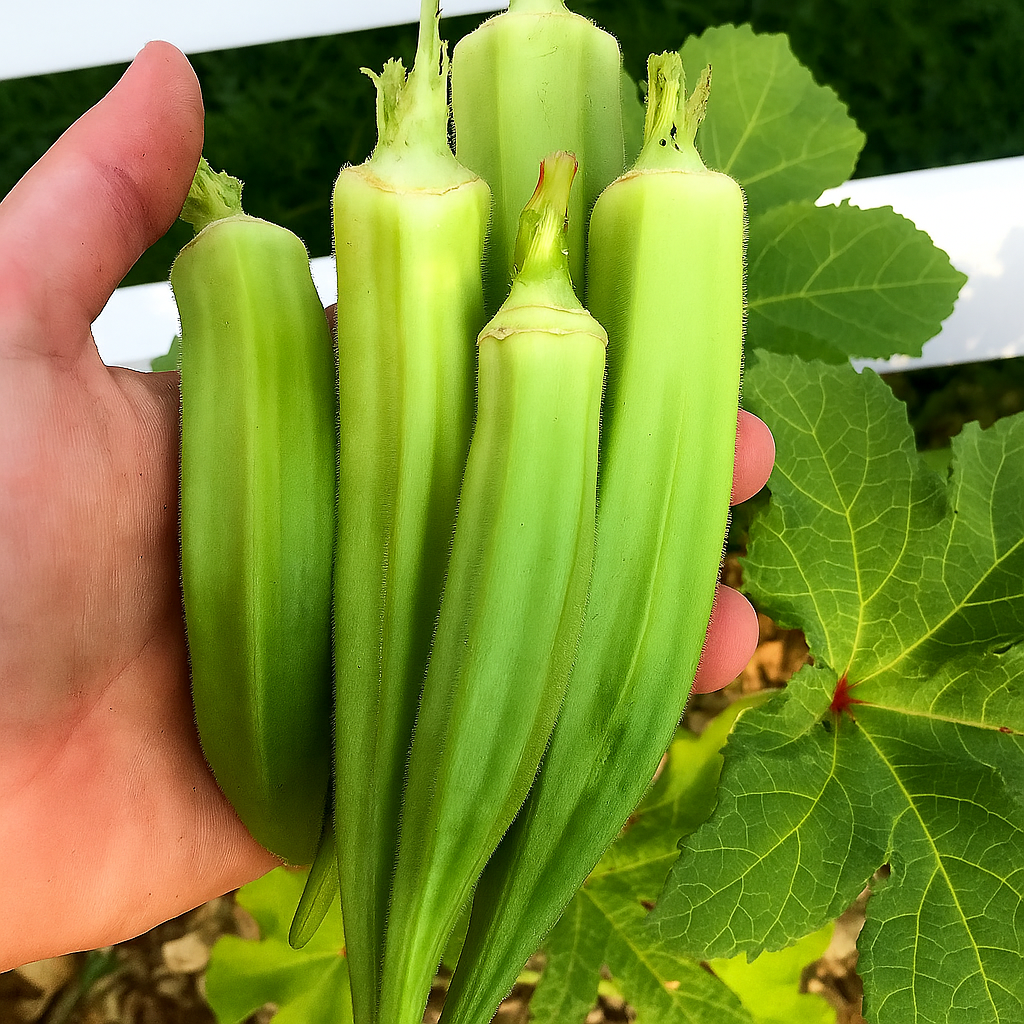
Every time I open a jar of homemade pickled okra, I’m brought back to the first time I nailed the perfect crunch. It wasn’t just the brine—it was the method. The trick is using fresh, small pods, ideally 3–4 inches long. The shorter the pod, the firmer the texture, which means no soggy surprises. Trim only the tip of the stem, never the pod itself. Keeping the okra whole helps it stay crisp and prevents that dreaded sliminess.
Subheading: Seasoning That Elevates the Flavor

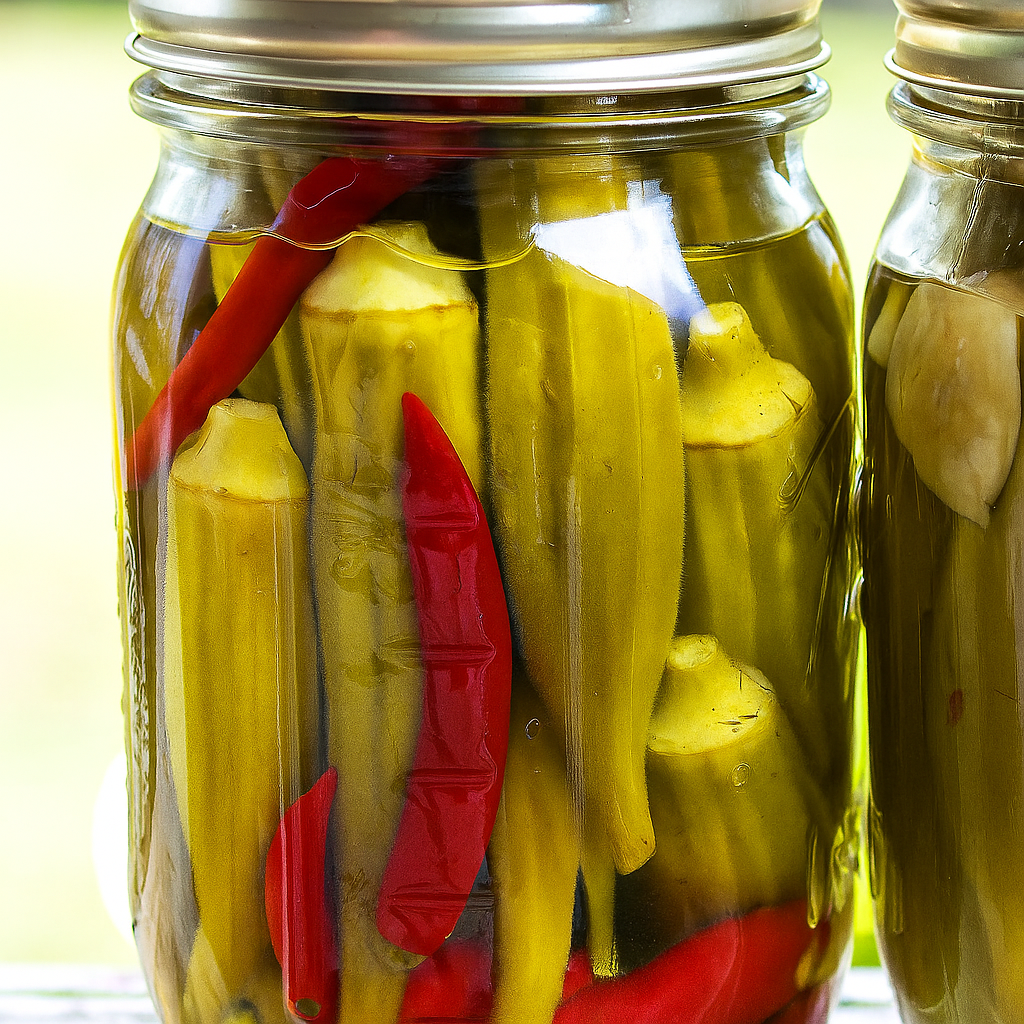
A good pickled okra recipe lives or dies by its brine. My go-to mix? Equal parts white vinegar and water with a tablespoon of kosher salt per cup of liquid. Add garlic, mustard seeds, dill, and peppercorns, and don’t skip the red pepper flakes if you like a little heat. Pack your jars tightly, pour the hot brine over the okra, and seal. Let it sit for at least 48 hours for best results, but trust me—it only gets better with time.
How to Brine and Pack the Perfect Pickled Okra Recipe
Mixing the Brine Just Right
Your brine is more than vinegar and salt—it’s the flavor backbone of any great pickled okra recipe. I use a basic 1:1 ratio of distilled white vinegar to water, which balances acidity and bite. For each cup of liquid, add 1 tablespoon of kosher salt and 1 teaspoon of sugar to mellow the sharpness. Heat the mixture until the salt and sugar dissolve completely. Don’t boil too long—just enough to activate the aromatics like mustard seed, dill, garlic, and black peppercorns. Want heat? Toss in crushed red pepper or sliced jalapeño. The brine should taste strong—it mellows out as the okra cures.
Packing Tips for Maximum Crunch
Pack your okra tightly, stem side up or alternating tips for a neat fit. This helps prevent floating and ensures every pod stays submerged. Use pint jars for easy snacking or gifting. Pour hot brine over the okra, leaving about ¼ inch of headspace. Gently tap the jar on the counter to release air bubbles. Wipe the rims, seal, and let the jars cool to room temperature before refrigerating. For shelf-stable storage, process in a boiling water bath for 10 minutes. Let your jars sit for at least 48 hours before sampling. One week? Even better.
How Long Does Pickled Okra Last & How to Store It
How Long Pickled Okra Keeps Its Crunch
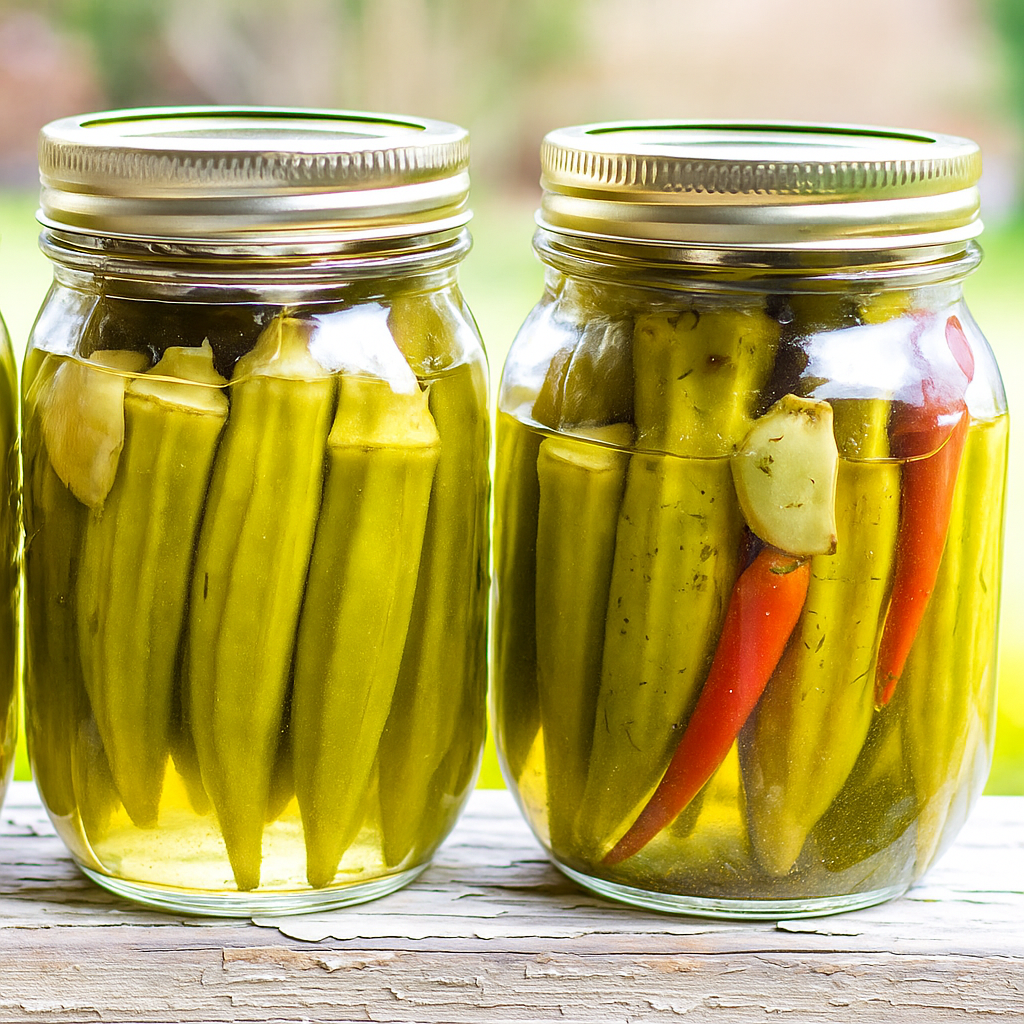
If stored properly, your pickled okra recipe can last up to one year unopened and about two months once opened. That’s assuming you’ve canned them using proper boiling water bath technique. But for refrigerator-only pickles, plan on enjoying them within 6 to 8 weeks. Always store jars in a cool, dark place, away from direct sunlight or heat. And once opened, keep them tightly sealed in the fridge.
Here’s a little trick I swear by: label each jar with the date you made it. That way, when you’re rummaging through the fridge for a late-night snack, you’ll know exactly how long that tangy crunch has been waiting for you.
Signs It’s Time to Toss That Jar
Even the best pickled okra recipe has a shelf life. If the brine gets cloudy, the lid bulges, or there’s an off smell—toss it. Mold or mushy okra? Definitely not worth the risk. Good pickled okra should be firm, vibrant, and smell pleasantly acidic.
Always use clean utensils when fishing out okra to avoid contamination. Treat your jars well and they’ll treat you to weeks of snacking bliss.
How to Pickle Okra Without the Slimy Texture
The No-Slime Game Plan
Let’s talk about the biggest fear when making a pickled okra recipe: slime. That gooey, unappetizing texture that can sneak up on even seasoned home picklers. The fix? It starts before the jar. First, never cut or pierce the pods. The second you breach that skin, the mucilage (okra’s natural thickener) gets a chance to escape.
Second, always use fresh, young okra. Old, overgrown pods release more slime, especially when they sit in brine. Finally, pour your hot brine over raw okra—don’t pre-cook it. Cooking draws out moisture, making the slime problem worse. The raw pack method locks in crunch and avoids goo.
Quick Tips to Stay Crunchy and Clear
Use vinegar with at least 5% acidity, and avoid overcrowding your jars. Too many pods stacked too tightly can trap heat and moisture, which encourages slime. Storing your pickled okra in the fridge (even if canned) can also help keep them crisp longer. And if you’re experimenting with spices, go easy on ingredients like onions or ginger early on—anything that releases moisture could trigger sliminess.
Want to make the most of your batches? Label and stagger jars. Test one at 48 hours, one at one week, and another at a month. See how your perfect pickled okra recipe matures.
FAQs About Pickled Okra Recipe
What is the best way to pickle okra?
The best way to pickle okra is to use fresh, small pods, pack them whole into clean jars, and pour a hot vinegar brine (1:1 ratio with water) over them. Add garlic, dill, mustard seeds, and chili flakes for flavor. Let sit at least 48 hours before opening.
Can you pickle okra without cooking it?
Yes, and you should! Never pre-cook okra before pickling. Pour the hot brine over raw okra packed into jars. This method preserves its crunch and prevents sliminess.
How long does pickled okra last?
Properly canned and sealed jars last up to one year in a cool, dark pantry. Open jars stored in the fridge are best within 6–8 weeks. Always check for cloudiness, odor, or mush before eating.
How to pickle okra without it being slimy?
Use young, uncut pods and avoid cooking them before pickling. Don’t pierce the skin. Pack tightly but not overcrowded. Use hot brine and let them cure in the fridge or pantry for at least two days before tasting.
Conclusion
Making your own pickled okra recipe at home isn’t just easy—it’s rewarding. With the right ingredients and a few key tricks, you’ll create jars of crunchy, tangy okra that are anything but slimy. Whether you’re adding them to a charcuterie board, snacking straight from the fridge, or gifting a batch to friends, pickled okra brings a bold flavor twist to everyday eats. Ready to give it a go? Grab your freshest pods and start pickling—you’ll never go back to store-bought.
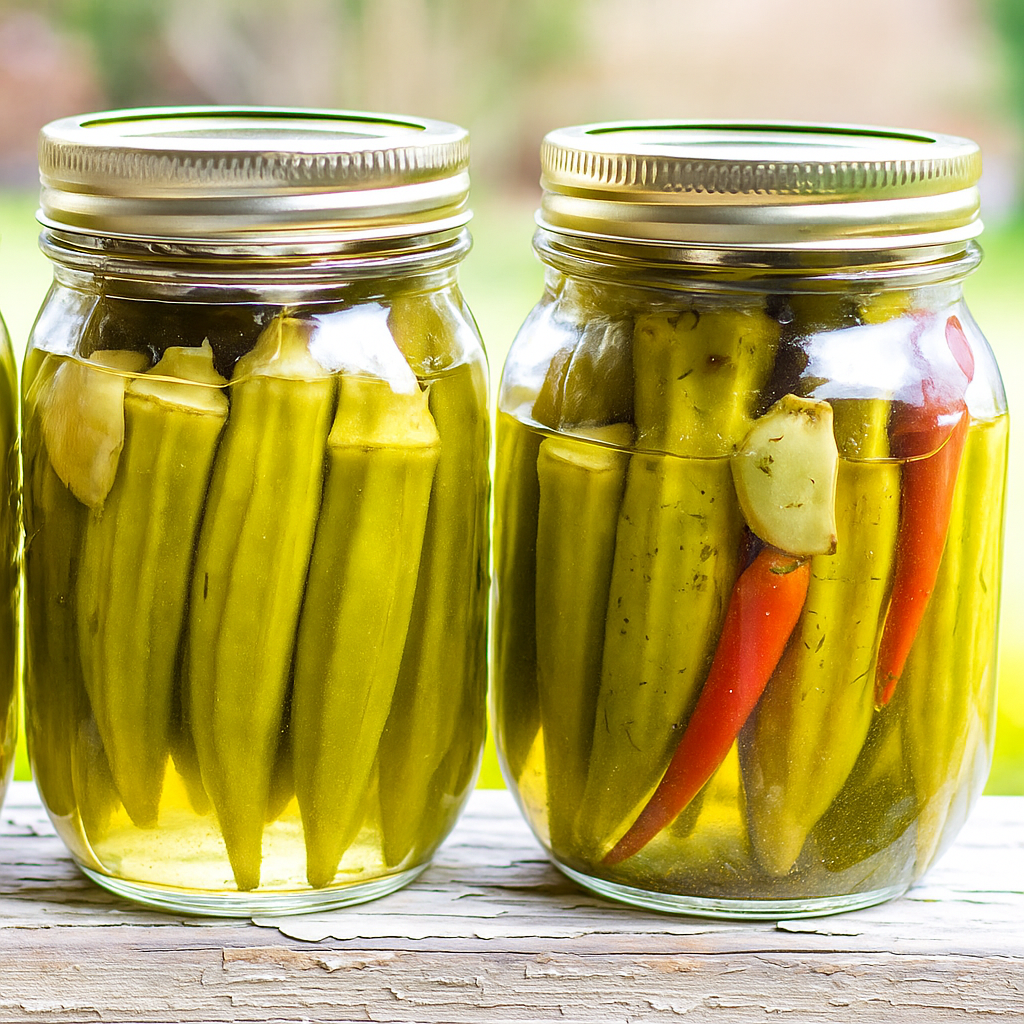
Pickled Okra
Ingredients
Method
- Make the brine: Place vinegar, water, salt, and sugar in a medium saucepan and bring it to a boil until the salt and sugar are dissolved. Reduce the heat to low to keep it hot.
- If using one large jar, place all of the herbs and spices and garlic in the bottom of the jar. If using pint jars, stir the spices together and divide them up equally between the jars.
- Pack the okra into the jars, alternating stem side up and down if needed for space efficiency.
- Pour the hot brine over the okra, leaving 1/4 inch from the tops of the jars. Use a knife to release air bubbles, wipe rims, and secure the lids.
- Let the jars cool completely, then refrigerate for a few days before serving.
- For canning: Process the jars using a water bath for 10 minutes. Let cool undisturbed before storing in a cool dark place.




Leave a comment