


The clove water recipe is becoming increasingly popular among health-conscious individuals across the United States looking for simple, natural beverages. Whether you stumbled upon it through social media, wellness blogs, or traditional holistic remedies, the clove water recipe stands out for its sheer simplicity. Using only fresh water and whole cloves, you can easily fit this preparation into a balanced lifestyle without needing expensive ingredients or complex culinary techniques.
Clove water recipe searches often come from people wanting clear, straightforward answers. What exactly is it? How do you prepare it properly? Is it better to boil the spices or let them soak? And how should you drink it? At its core, this beverage is an infusion made by steeping whole cloves in water, either by briefly simmering them on the stove or letting them rest at room temperature for several hours. The result is a beautifully aromatic, mildly spicy drink that is easy to incorporate into your morning or evening routine.
Interest in the clove water recipe continues to grow as more Americans explore traditional spice-based drinks. Cloves are dried flower buds widely used in cooking, baking, and seasonal recipes. When steeped in water, they release their distinctive essential oils and deep flavor, creating a highly fragrant infusion.
Curious why another simple drink has become a Texas favorite? Click below to discover how to make the refreshing classic everyone loves: Ranch Water Recipe The Simple Cocktail Texans Love.
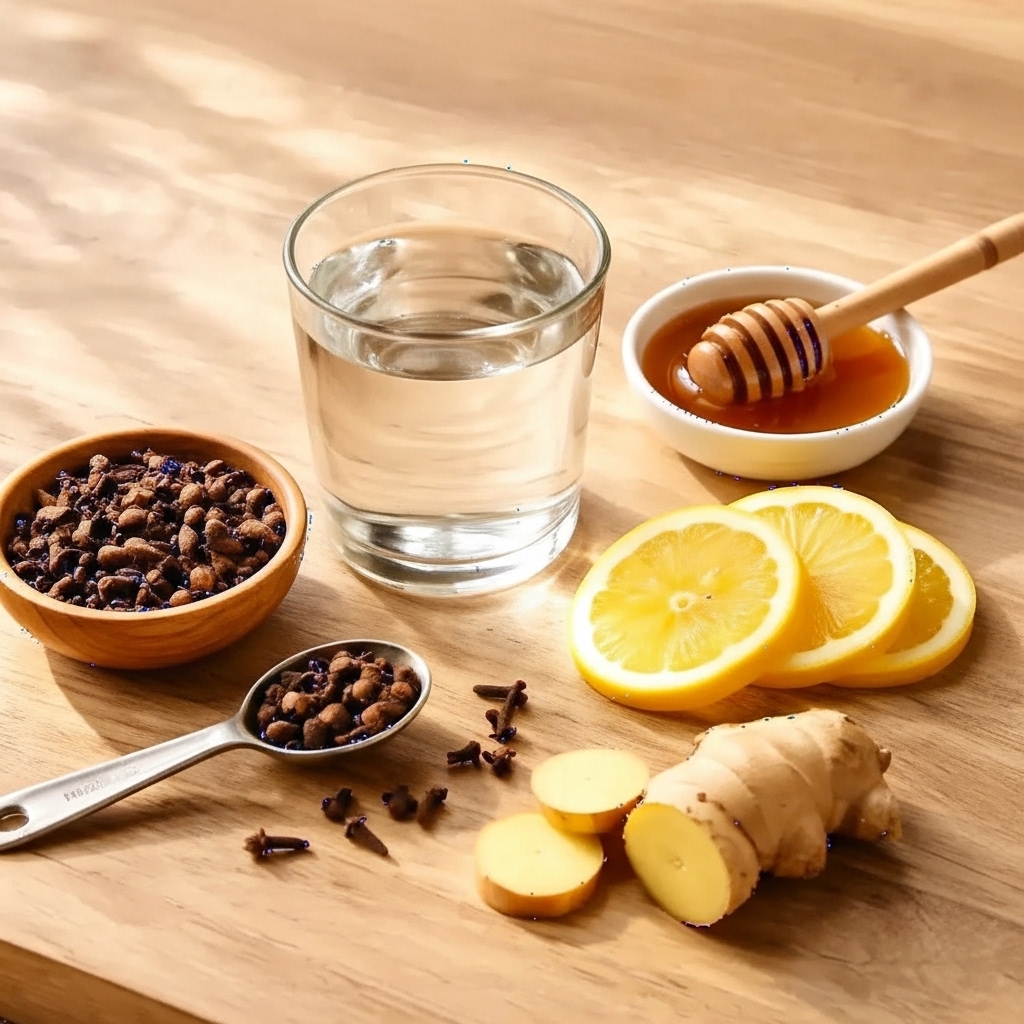
What Is the Clove Water Recipe and Why Do People Drink It?
Clove water recipe instructions begin with understanding what this drink actually is. Clove water is simply pure water infused with whole cloves, allowing the natural flavors and aromatic compounds of the spice to seamlessly blend into the liquid. The clove water recipe has deep roots in traditional kitchens, where aromatic spices were utilized not just for seasoning food, but for crafting soothing, homemade beverages.
When people search for a clove water recipe in the United States, they are generally seeking practical culinary advice. Some want a warming morning beverage that feels cozy and comforting. Others are interested in introducing spice-infused liquids into their daily wellness habits. Many simply love that it requires only basic pantry staples.
Harvested from the Syzygium aromaticum tree, cloves are dried flower buds known for their robust, warm, and subtly sweet taste. When submerged in hot water, they release their fragrant oils almost immediately. If steeped in room-temperature water instead, the infusion process happens gradually, yielding a much gentler flavor profile.
It is very common to enjoy this beverage first thing in the morning on an empty stomach or later in the evening to wind down. Some people prefer it as a wonderful, caffeine-free alternative to their usual cup of coffee or tea. Others whip up a clove water recipe occasionally whenever they crave something warm and spiced without any added sugars.
Below is a simple overview to clarify what this infusion is and how it differs from other spiced beverages:
| Feature | Clove Water | Clove Tea | Spiced Herbal Drink |
| Main Ingredient | Whole cloves | Cloves plus tea leaves | Multiple spices |
| Preparation | Boiled or infused | Brewed like tea | Simmered with herbs |
| Flavor | Strong and warm | Mild to medium | Complex and layered |
| Additives | Usually none | Sometimes honey | Often sweetened |
Understanding the basics of the clove water recipe will help you prepare the drink correctly and select the steeping method that best aligns with your personal taste and daily schedule.
Ingredients Needed for the Perfect Clove Water Recipe
One of the main reasons the clove water recipe is so beloved is its sheer simplicity. You do not need any specialty kitchen tools or hard-to-find components. In fact, most home cooks already have everything required sitting right in their pantry.
Basic Ingredients for Your Clove Water Recipe
The traditional clove water recipe requires only two basic ingredients:
- Whole cloves
- Water
That is genuinely all you need. However, the quality of these two items will significantly impact the final flavor and your overall drinking experience.
Whole cloves are highly recommended over the ground version. The intact buds release their spiced flavor slowly and are incredibly easy to strain out once the steeping is done. Ground cloves tend to leave a cloudy, gritty texture in the cup, which many people find unappetizing.
Using fresh, clean drinking water is equally important. Filtered water is your best bet for a crisp, clean taste, especially if your local tap water has a distinct metallic or mineral flavor.
Standard Measurement Guide
Here is a helpful reference table for scaling your clove water recipe, whether you are making a single mug or a larger batch:
| Serving Size | Water | Whole Cloves | Yield |
| 1 cup | 8 fluid ounces | 3 to 5 cloves | 1 serving |
| 2 cups | 16 fluid ounces | 6 to 8 cloves | 2 servings |
| 1 quart | 32 fluid ounces | 10 to 12 cloves | 3 to 4 servings |
Tossing in too many buds can make the liquid overwhelmingly strong and bitter. Starting with a smaller amount allows you to gently adjust the intensity to suit your personal palate.
Optional Additions
While the classic clove water recipe includes only cloves and water, many home chefs enjoy incorporating mild flavor variations. Common enhancements include:
- Fresh lemon slices
- A small piece of peeled ginger
- 1 teaspoon of honey
- 1 whole cinnamon stick
These extras are entirely optional and depend on what you enjoy. If you are trying the clove water recipe for the first time, try the base recipe first so you can appreciate the natural, unadulterated flavor before experimenting.
How to Make a Clove Water Recipe Using the Boiled Method
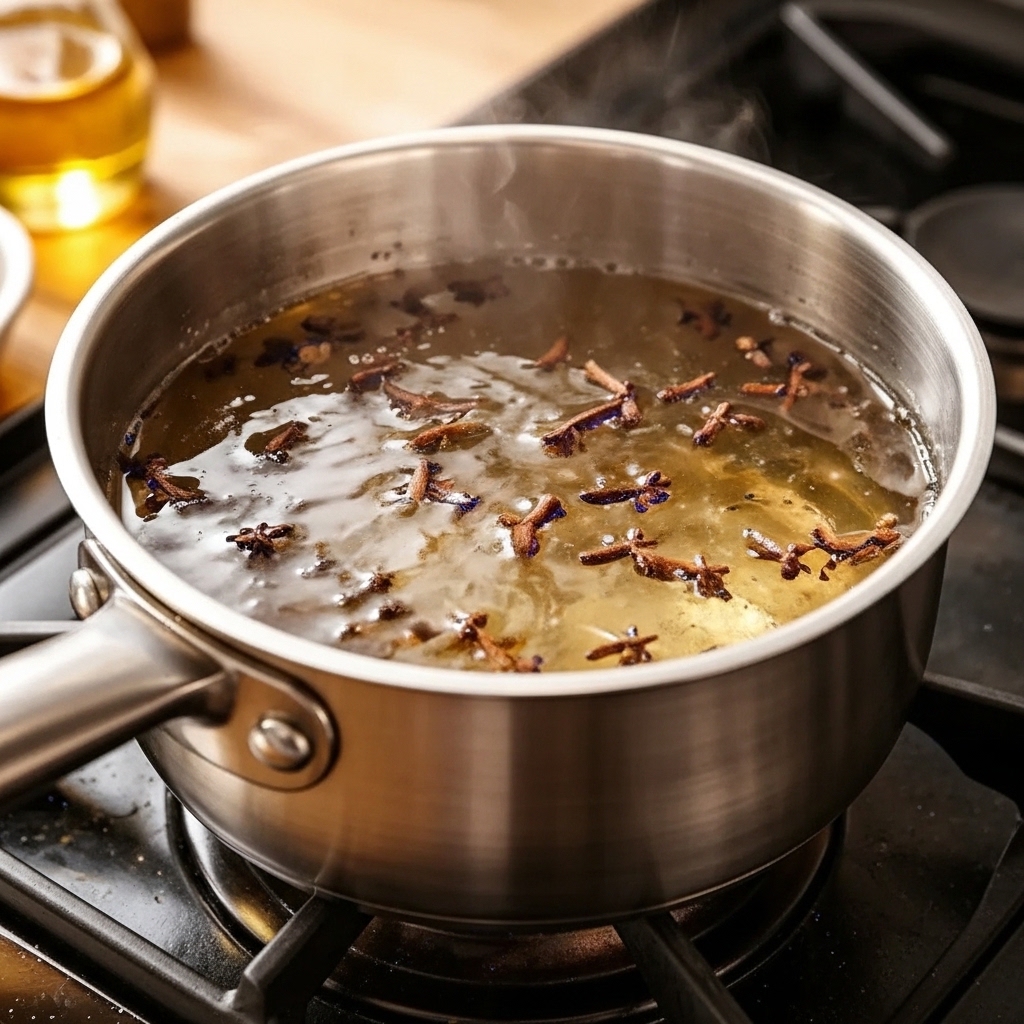
The stovetop boiling method is arguably the most popular way to prepare a clove water recipe. Applying heat extracts the essential oils rapidly, producing a robust, highly concentrated flavor. It is the go-to technique when you want a steaming hot mug on a chilly morning or during the winter months.
Step by Step Instructions for the Boiled Clove Water Recipe
Follow these straightforward steps to prepare the clove water recipe using heat:
- Measure 1 cup (8 fluid ounces) of fresh water and pour it into a small saucepan.
- Add 3 to 5 whole cloves to the water.
- Bring the mixture to a gentle boil over medium heat.
- Once boiling, reduce the heat to low and let it simmer for 5 to 10 minutes.
- Remove the saucepan from the stove and allow the liquid to cool slightly.
- Strain out the whole spices before pouring the beverage into a mug to drink.
That is the complete boiled clove water recipe. Keep in mind that the longer you let the liquid simmer, the more intense and pungent the final flavor will be.
What to Expect in Flavor
Simmering forces more of the natural aromatic compounds out of the spice. Because of this, the resulting liquid boasts a bold, warming, and lightly spicy profile. Many describe the tasting notes as earthy with a hint of natural sweetness. If your finished brew tastes too potent, simply dilute it with a splash of warm water.
When to Use the Boiled Method
The boiled clove water recipe is an excellent choice when:
- You prefer a much stronger, robust taste.
- You want to enjoy a hot, comforting beverage.
- You need a quick recipe that is ready in minutes.
- You prefer immediate extraction rather than waiting for an overnight soak.
If you are new to the clove water recipe, stick to the lower end of the simmer time and use fewer spices. You can easily scale up the intensity next time.
How to Make a Clove Water Recipe Using the Infused Method
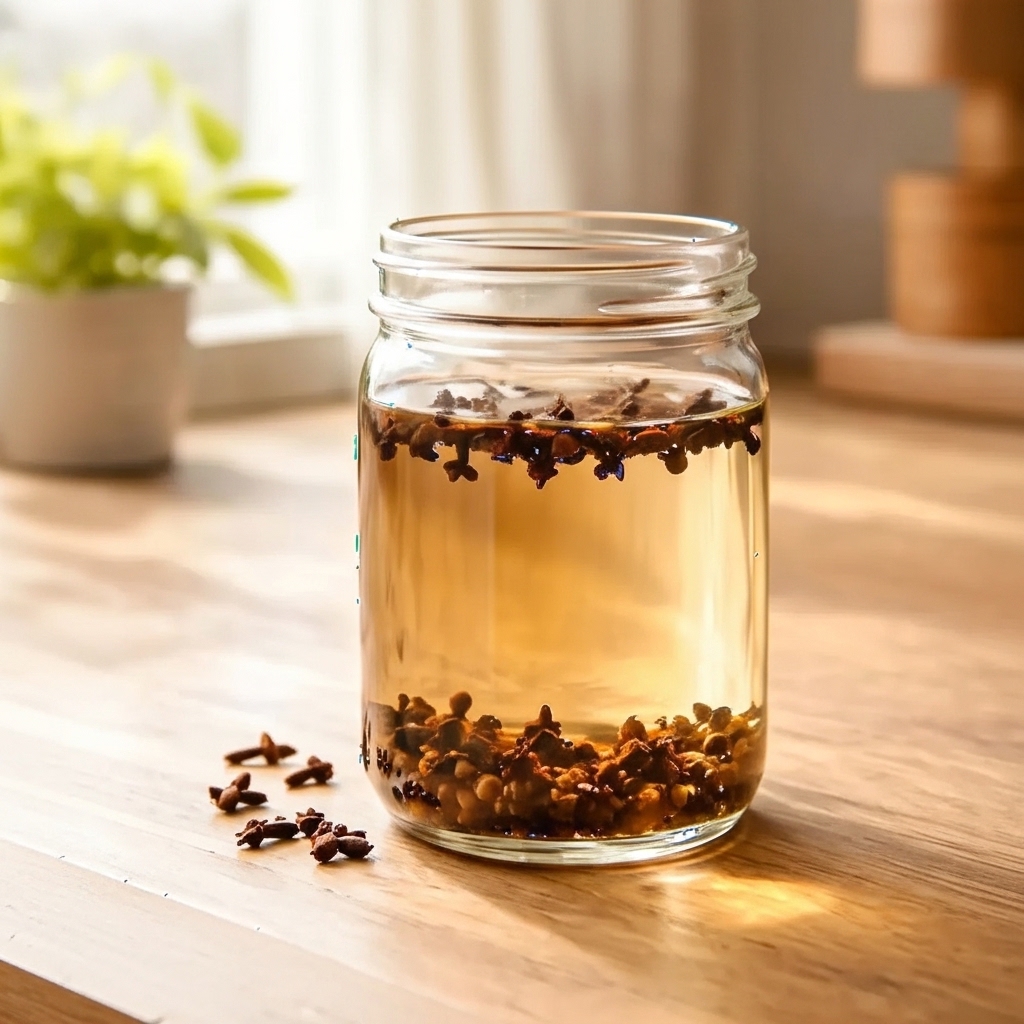
If you lean toward a more delicate taste or simply want a heat-free preparation, the infused clove water recipe is a fantastic alternative. This technique relies entirely on time rather than temperature to gently pull the flavor from the spices. It is incredibly convenient and requires practically zero hands-on effort.
Step by Step Instructions for the Infused Clove Water Recipe
Here is how to prepare the clove water recipe using the infusion method:
- Fill a glass jar or pitcher with 1 cup (8 fluid ounces) of room-temperature filtered water.
- Drop 3 to 5 whole cloves directly into the container.
- Cover tightly and let it rest on the counter for 6 to 8 hours.
- For a deeper flavor, place the covered container in the refrigerator to steep overnight.
- Pour the liquid through a fine-mesh strainer to catch the spices before drinking.
This version of the clove water recipe develops a remarkably smooth, mellow flavor profile that feels much lighter on the palate compared to the stovetop version.
Boiled vs Infused Comparison
To help you figure out which preparation style best fits your day, here is a quick breakdown:
| Feature | Boiled Method | Infused Method |
| Preparation Time | 10 to 15 minutes | 6 to 8 hours |
| Flavor Strength | Strong and bold | Mild and smooth |
| Best For | Warm drink | Room temperature or chilled drink |
| Convenience | Quick preparation | Set and forget approach |
When to Choose the Infused Method
The infused clove water recipe is your best bet if:
- You enjoy a softer, gentler taste.
- You like to meal-prep or plan your beverages ahead of time.
- You want a refreshing chilled or room-temperature drink.
- You want to skip turning on the stove entirely.
Both culinary methods yield excellent results. Your choice simply comes down to how much time you have and how strong you like your flavors.
How to Drink Your Clove Water Recipe and Typical Usage
Once your clove water recipe is ready, you might wonder the best way to serve it and how often people typically drink it. Most folks incorporate this lightly spiced water into their daily habits with a balanced, moderate approach.
When Is Clove Water Usually Consumed?
Many choose to sip their spiced water first thing in the morning before breakfast. Others gravitate toward drinking it in the evening as a soothing nighttime ritual. There are no strict culinary rules here, but enjoying it consistently and in moderation is the standard practice.
Common times to enjoy this beverage include:
- Early morning on an empty stomach.
- Midday as a flavorful, caffeine-free pick-me-up.
- Evening right before settling into bed.
- Occasionally as a hydrating addition to a general wellness routine.
The clove water recipe is intended to be a supportive, hydrating drink rather than a meal replacement or primary nutritional source.
How Much Clove Water Is Typically Consumed?
Moderation is always a smart culinary practice. Most people who follow a clove water recipe regularly limit their intake to:
- 1 cup (8 fluid ounces) per day for beginners.
- Up to 2 cups (16 fluid ounces) per day for those accustomed to the flavor.
Consuming large volumes can result in overwhelming the palate with too much spice and might cause minor digestive upset for some. Starting with a single serving gives your taste buds and stomach time to adjust to the new flavor.
Warm vs Cold Consumption
The clove water recipe can be served steaming hot or ice cold. Hot mugs are incredibly popular during the crisp autumn and winter months, while a chilled glass over ice is incredibly refreshing during the summer heat.
Here is a quick guide to serving styles:
| Preference | Suggested Method | Typical Serving |
| Morning routine | Boiled | 1 cup warm |
| Light daily use | Infused | 1 cup room temperature |
| Summer option | Infused overnight | 1 cup chilled |
Understanding how to serve this drink ensures you can use the clove water recipe year-round in a way that suits your current cravings.
Possible Benefits of a Clove Water Recipe
Many people searching for a clove water recipe are naturally curious about the potential wellness perks of their ingredients. While spices have a long history in holistic and culinary traditions, it is vital to approach them realistically. The clove water recipe is a delightful drink, not a medical treatment, and should never replace the advice of a qualified healthcare professional.
However, from a culinary and nutritional standpoint, cloves naturally contain active compounds like eugenol, which are responsible for their powerful scent and robust flavor. Thanks to these natural properties, incorporating spice-infused drinks is frequently linked to general well-being.
Commonly Discussed Benefits
Here are a few reasons culinary enthusiasts and wellness fans include a clove water recipe in their routine:
- Supports a comfortable digestive feeling after eating heavy meals.
- Provides a wonderfully warming, soothing sensory experience.
- Offers an excellent, zero-caffeine alternative to standard coffee.
- Contains naturally occurring antioxidant properties from the spices.
- May act as a natural breath freshener thanks to the potent aromatic oils.
These are broad associations tied to the traditional culinary use of the spice. Every individual will have a slightly different experience.
Nutritional Snapshot of Cloves
Even though the steeping process only extracts a fraction of the spice’s total compounds, here is a basic look at what the raw ingredients naturally contain:
| Component | Naturally Present in Cloves | Role in Diet |
| Eugenol | Yes | Contributes to aroma and flavor |
| Antioxidants | Yes | Help protect cells from oxidative stress |
| Fiber | Yes, in whole cloves | Supports digestive health |
| Vitamins and Minerals | Small amounts | Part of a balanced diet |
Because the clove water recipe only uses a handful of buds, the resulting liquid is quite mild. Treat it as a beautifully flavored hydration option rather than a heavy, nutrient-dense supplement.
Variations and Safety for Your Clove Water Recipe
The beauty of a basic clove water recipe lies in its simplicity, but small culinary tweaks can completely transform the flavor profile. Alongside these fun variations, keeping a few basic safety tips in mind will ensure you have a great experience.
Popular Variations of the Clove Water Recipe
While the traditional clove water recipe sticks to just water and spices, home cooks frequently experiment with these delicious additions:
- Fresh lemon slices for a bright, citrusy acidity.
- Fresh ginger slices for an extra kick of zesty warmth.
- A whole cinnamon stick to introduce sweet, woody notes.
- A small drizzle of honey to balance the spices with mild sweetness.
These simple additions elevate the taste without overcomplicating the cooking process. When trying something new, add the extras sparingly so the main spice remains the star of the show.
Here is a quick look at how these ingredients change the drink:
| Variation | Flavor Profile | Best For |
| Clove and lemon | Warm and slightly tangy | Morning drink |
| Clove and ginger | Bold and spicy | Cold weather |
| Clove and cinnamon | Deep and aromatic | Evening routine |
| Plain clove water | Clean and strong | Daily simplicity |
Important Safety Considerations
Although the clove water recipe is gentle by nature, a little common sense goes a long way.
- Always use whole culinary cloves, never highly concentrated essential oils.
- Avoid drinking excessive quantities throughout the day.
- Pregnant or breastfeeding individuals should check with their healthcare provider first.
- Anyone on prescription blood-thinning medications should consult a doctor before drinking it regularly.
- Discontinue drinking it if you experience any mild stomach discomfort.
Spices are naturally potent. Diluted infused water is incredibly safe for most, but always prepare the clove water recipe using appropriate amounts of whole cloves for casual drinking. Enjoy your homemade beverages responsibly.
Conclusion
The clove water recipe is an incredibly accessible, budget-friendly way to bring traditional spice infusions into your daily diet. Using nothing more than fresh water and a few aromatic buds, you can quickly whip up a batch using the stovetop boiling method for deep flavor, or try the cold-steep technique for a delicate, smooth finish. Both culinary methods are foolproof, requiring barely any active prep time or fancy kitchen gear.
Food lovers and wellness enthusiasts alike appreciate the clove water recipe because it seamlessly supports a balanced diet. It is naturally free from refined sugars, artificial flavorings, and caffeine. Whether you pour yourself a hot mug at sunrise or sip a chilled glass on a summer evening, practicing consistency and moderation will yield the best experience. Starting with a single, diluted cup lets you gauge your flavor preferences perfectly.
Always keep in mind that while these whole spices boast wonderful natural properties, this beverage is a culinary creation, not a medical cure. The clove water recipe should be viewed as a highly flavorful, hydrating addition to your routine, rather than a substitute for professional medical care.
By sticking to proper steeping times, sourcing high-quality whole spices, and keeping basic moderation in mind, you can master this infusion with ease. If you have been searching for an elegant, natural beverage that is simple to customize, the clove water recipe offers a straightforward option worth trying.
Frequently Asked Questions About the Clove Water Recipe
What is a clove water recipe used for?
A clove water recipe is typically used to create a natural, aromatic beverage by steeping whole cloves in water. People drink it to enjoy a comforting, warm flavor, aid daily hydration, and serve as a caffeine-free alternative to morning coffee or evening tea.
Can I drink clove water every day?
Yes, you can drink it daily in moderation, typically limiting intake to one 8-ounce cup. Because the spice is highly aromatic and naturally potent, keeping the clove water recipe mild is generally recommended to ensure it sits well with your digestion.
Should I boil or soak cloves for the best results?
Both methods work perfectly depending on your flavor preference. The boiled clove water recipe produces a stronger, concentrated flavor in just 10 minutes, while cold soaking overnight creates a smoother, milder beverage.
How many cloves should I use per cup?
Most clove water recipe instructions suggest using 3 to 5 whole cloves for every 8 fluid ounces of water. Adding more than this can easily overpower the liquid and create a bitter taste, so it is best to increase the amount gradually based on your palate.
Can I add lemon or honey to clove water?
Absolutely. Many people customize their clove water recipe by adding a slice of fresh lemon, a small piece of ginger, or a teaspoon of honey to enhance the natural flavor profile while keeping the recipe wonderfully simple.
Is clove water the same as clove tea?
No, they are slightly different preparations. A clove water recipe strictly uses whole spices steeped in fresh water, whereas clove tea often incorporates black or green tea leaves and additional herbs for a more complex brew.
Can I drink clove water on an empty stomach?
Many individuals prefer drinking it first thing in the morning on an empty stomach. However, if you are prone to digestive sensitivity, try sipping it after a light meal instead to see how your body tolerates the spices.
How long can I store clove water?
Freshly steeped infusions are best enjoyed within 24 hours when stored in the refrigerator. Preparing a fresh batch daily ensures the brightest flavor profile and safest consumption.
Are there any side effects of clove water?
When prepared using a standard clove water recipe with a small number of whole cloves, it is generally very well tolerated. However, drinking excessive amounts or substituting whole spices with concentrated essential oils can lead to stomach upset.
Can I use ground cloves instead of whole cloves?
Using ground spices is not recommended for infusions. Ground powder leaves a gritty texture and cloudy appearance in the cup, whereas whole buds deliver a clean, easily strainable flavor, making them the preferred choice for a clove water recipe.
[wprm-recipe id=”cURL error 28: Operation timed out after 30002 milliseconds with 0 bytes received (see https://curl.haxx.se/libcurl/c/libcurl-errors.html) for https://bahaty.com/wp-json/contai/v1/wprm_recipe”]












Leave a comment